For many parents, the Individualized Education Program (IEP) process can feel overwhelming. You are asked to make high-stakes decisions about your child’s education while navigating complex systems, unfamiliar language, and emotional conversations. It’s easy to feel like the professionals in the room hold all the authority.
But there is something only you bring to the table: your lived experience as your child’s parent and your vision for their future.
What you see at home, what your child struggles with, what helps them thrive is essential to effective advocacy. Learning how to tell that story clearly and confidently can shift conversations, influence decisions, and improve outcomes not only for your child, but for many others as well.
Advocacy does not have to be confrontational. It can be personal and thoughtful. Below are several ways parents can share their stories to strengthen their voice in the IEP process and how to advocate for inclusive practices that elevate learning for all students.
Meet 1:1 With Someone (Peer Support)
Advocacy often begins in private conversations.
Meeting one-on-one with another IEP parent (perhaps someone with a child older) or a family support professional gives you space to talk openly about your experience. These conversations help parents organize their thoughts, name their concerns, and practice explaining their child’s needs without pressure.
One-on-one support can help you:
Gain clarity about your child’s challenges and strengths
Learn language commonly used in IEP meetings
Build confidence before speaking in school settings
Feel less isolated in the process
Many parents discover that what they thought was a personal failure or confusion is actually a systemic issue shared by others. These early conversations can transform uncertainty into confidence and prepare you for stronger advocacy.
Speak Up in a Small Group or Assembly
Sharing your story in a small group can be a powerful next step.
Parent groups, school meetings, workshops, and community forums create opportunities to connect personal experiences to shared challenges. Speaking in these spaces helps parents realize they are not alone — and helps educators and decision-makers better understand the real-life impact of policies and practices.
Small-group advocacy can:
Normalize parent concerns
Build community and trust
Encourage collaboration
Strengthen parent leadership
You don’t need to share everything. One clear example or insight can help others see the IEP process from a parent’s perspective.
Participate in a Panel Discussion
Panel discussions elevate parent voices by placing lived experience alongside professional expertise.
When parents participate in panels, they help shift the narrative around special education. These settings reinforce an important truth: parents are experts in their children’s lives.
Panel participation can:
Humanize systems and policies
Encourage family-centered practices
Inspire other parents to speak up
Foster mutual understanding
You don’t need public-speaking experience to speak about your vision for your child’s education. Panel discussions are guided conversations, and your authenticity matters more than polished delivery.
Write Your Story on a Blog or Public Forum
Writing can be a powerful advocacy tool, especially for parents who prefer reflection over speaking.
Blogs, newsletters, and online forums allow parents to share their stories thoughtfully. Writing creates space to process emotions, clarify experiences, and contribute to a broader conversation about special education.
Writing your story can:
Reach families who feel isolated
Help others recognize shared experiences
Educate the community
Create a lasting record of parent perspectives
Parents can choose how much to share and whether to remain anonymous. What matters is adding your voice to a collective call for understanding and equity.
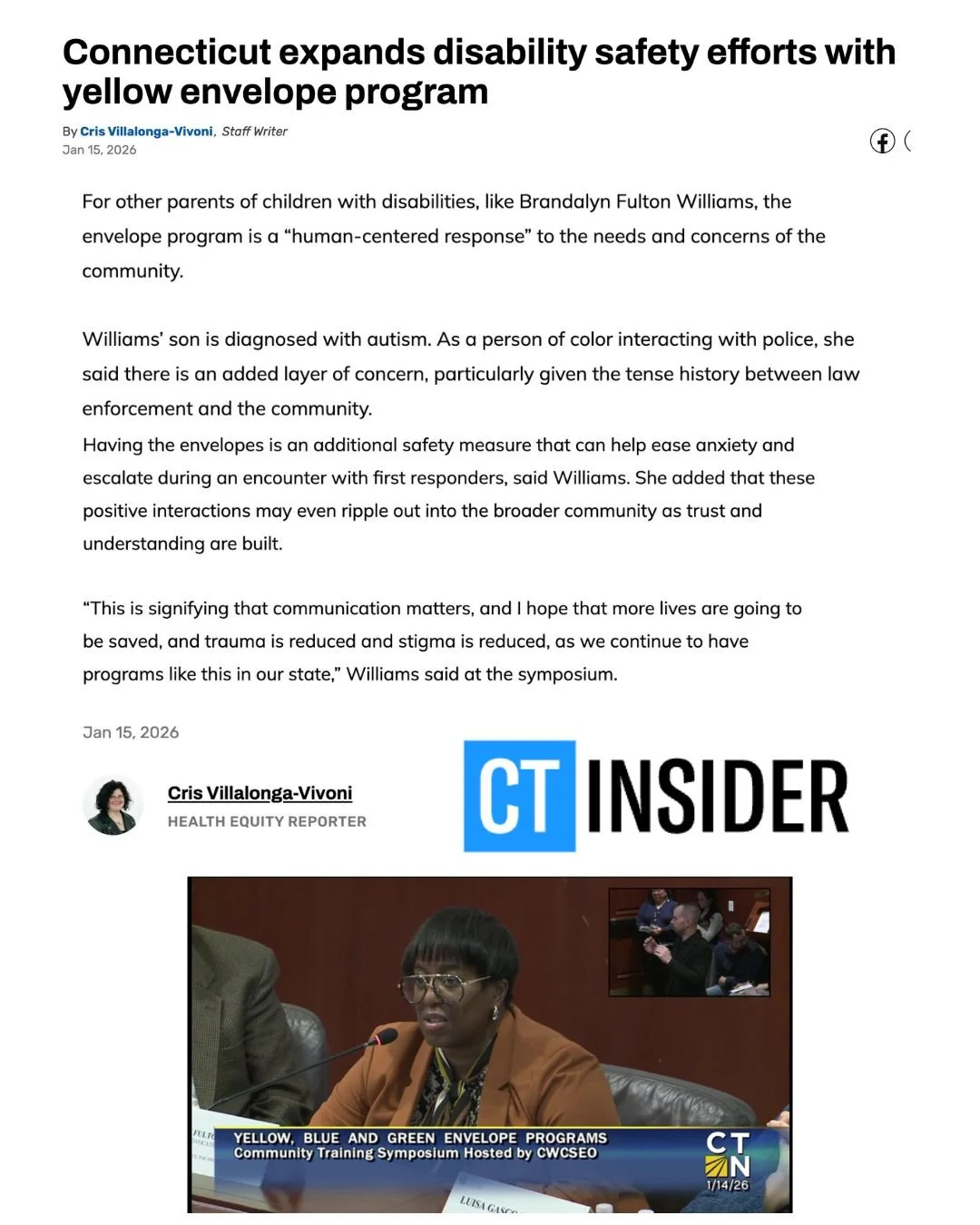
Share Your Story With a Reporter
Media stories influence how communities understand education and parenting a child with a disability. Parent voices are critical in shaping that narrative.
When parents speak with reporters, they help translate policies and data into human stories. Media coverage can bring attention to service gaps, highlight effective practices, and encourage accountability.
Sharing your story with the media can:
Raise public awareness
Influence policy discussions
Spark community dialogue
Validate family experiences
It is always appropriate to ask how your story will be used and to protect your child’s privacy. Advocacy should never come at the cost of your family’s comfort or safety.
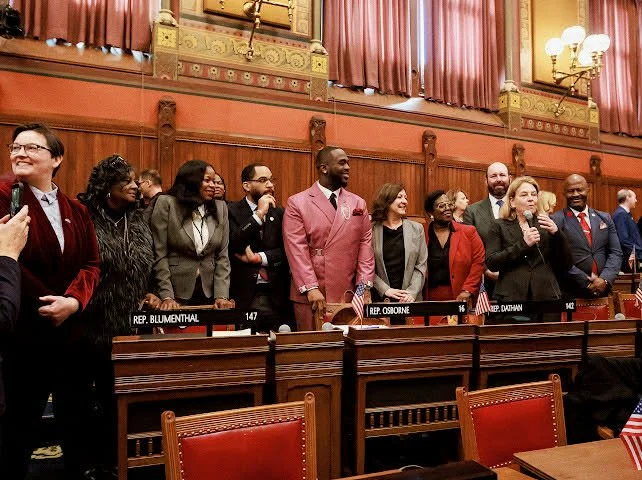
Meet With Your Legislator
(City Council, Board of Education, State Delegation)
Policy decisions directly affect special education services, and legislators need to hear from families.
Meeting with local or state leaders allows parents to connect personal experiences to broader systems. These conversations do not need to be political. They are about children, access, and opportunity.
Meeting with legislators can:
Illustrate the real-world impact of policies
Highlight gaps in services or funding
Support meaningful reform
Build ongoing relationships
Personal stories are often more memorable than reports. Your experience helps leaders understand why their decisions matter.
Testify at a Committee Hearing
Public testimony is one of the most direct ways parents can influence policy.
Testifying at a committee hearing places your experience on the public record and contributes to official decision-making processes. Even brief testimony can have lasting impact.
Testimony can:
Shape legislative conversations
Influence future actions
Encourage other families to speak up
Demonstrate community engagement
Preparing written remarks and focusing on one or two key points can make the experience more manageable and effective. Practice and edit your remarks to meet the time requirements.
Make a Video
Video storytelling is an accessible and powerful advocacy tool.
Short videos recorded on a phone can capture emotion and authenticity in ways written words sometimes cannot. Videos can be shared with schools, community groups, legislators, or online.
Videos can:
Reach wide audiences